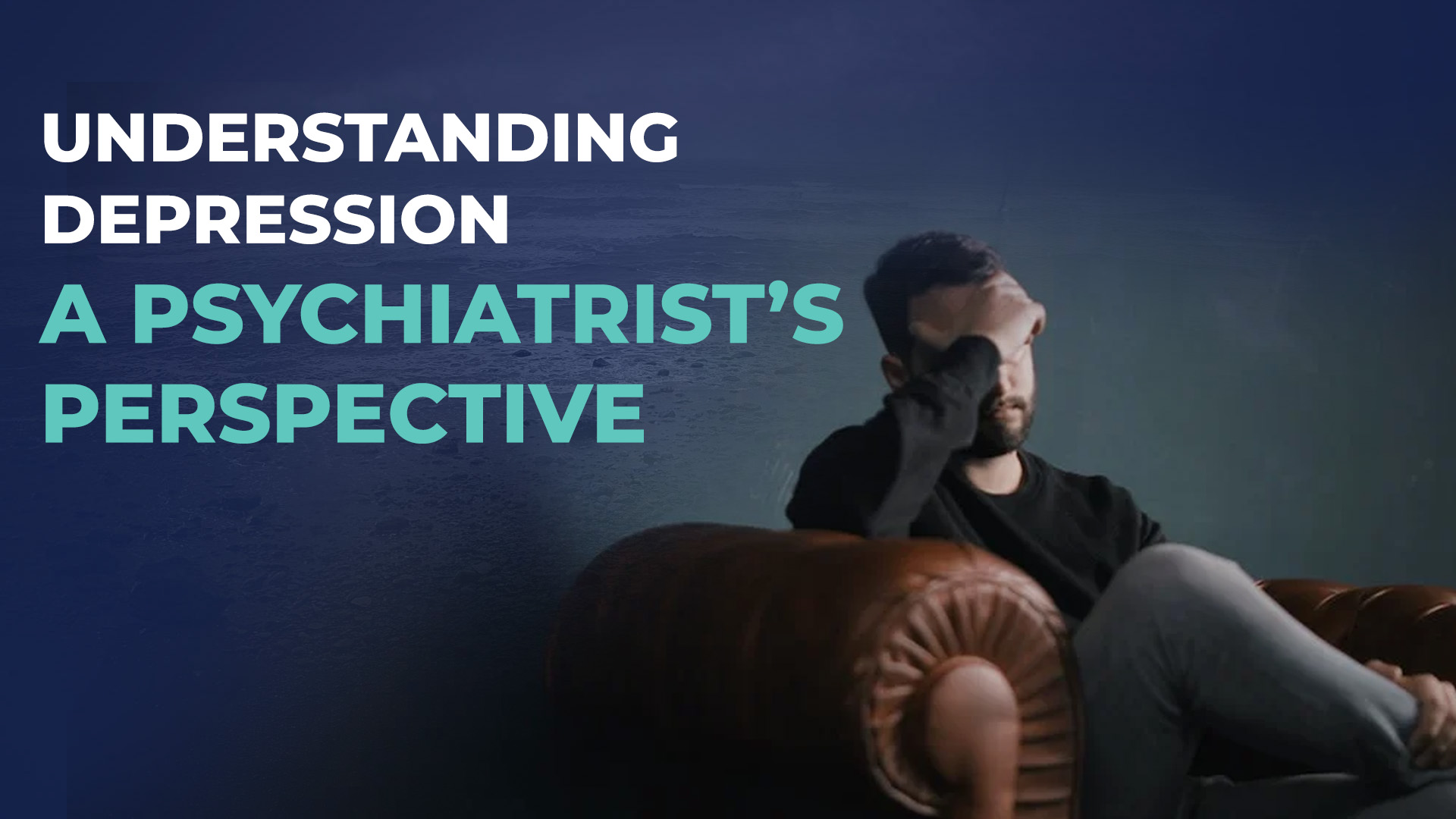
Depression is one of the most prevalent mental health disorders worldwide, and India is no exception. It affects nearly 12% of the adult population, with the National Mental Health Survey (NMHS) reporting that one in every twenty adults experiences depression at some point in life. Although it is more common among women, men often experience poorer outcomes due to underreporting and delayed help-seeking.
Definition and Diagnosis
Contrary to popular belief, depression is not simply “sadness.” It is a clinically diagnosable psychiatric disorder identified through structured diagnostic protocols and standardized tools.
Typically, persistent low mood lasting at least two weeks, accompanied by loss of interest in previously enjoyable activities, reduced concentration, altered sleep and appetite, feelings of worthlessness or guilt, and thoughts of death or hopelessness, suggests a depressive disorder. Anxiety symptoms may coexist, and in some individuals, episodes can be seasonal or influenced by climatic variations.
From a clinical standpoint, psychiatrists perform a comprehensive evaluation—including psychological testing, physical examination, and laboratory investigations—to rule out medical conditions such as diabetes, hypothyroidism, or vitamin deficiencies that may mimic depressive symptoms. A confirmed diagnosis aligns with international classification systems like the ICD-10/ICD-11 or DSM-5-TR.
The Biology of Depression
The neurobiology of depression is multifaceted. Classical theories highlight reduced levels of neurotransmitters such as serotonin, dopamine, and norepinephrine, leading to diminished mood, motivation, and energy.
Recent advances introduce the glutamate excitotoxicity hypothesis, which suggests an overactivation of glutamate receptors contributing to neuronal stress and depressive symptoms.
Another significant concept is the inflammatory hypothesis—elevated cortisol levels during depression activate the body’s stress and immune systems, causing systemic inflammation. This can explain the sleep and appetite disturbances, weight changes, increased infection susceptibility, and body pains frequently reported by patients.
In essence, depression is not only an emotional disorder but also a neurobiological and systemic condition that affects both the mind and body.
Types of Depression
While the core symptoms are similar, depression manifests in various forms, each with distinct characteristics and underlying mechanisms.
- Endogenous Depression
Primarily biological in origin, this form often arises in middle age without an identifiable external trigger. It is typically linked to neurochemical imbalances rather than psychosocial stressors.
- Atypical Depression
More commonly seen in younger, high-functioning individuals such as professionals, this subtype features increased appetite, weight gain, leaden paralysis (body heaviness), and heightened sensitivity to rejection. Mood may temporarily improve in response to positive events.
- Seasonal Affective Disorder (SAD)
A seasonal pattern where depressive episodes occur predominantly in winter months, correlating with reduced daylight exposure. Light therapy is often effective for these cases.
- Involutional Melancholia (Geriatric Depression)
Occurring in older adults, often after retirement or significant life transitions, it presents with slowed cognition, sadness, and loss of purpose. Contributing factors include isolation and “empty nest syndrome,” where emotional void follows children leaving home.
- Dysthymia (Persistent Depressive Disorder)
A chronic, less severe form of depression characterized by persistent low mood lasting two years or more. It is often associated with anxiety, chronic somatic complaints, and obsessive or phobic tendencies.
Depression in Women: Special Considerations
Depressive disorders are notably more prevalent among women, partly due to hormonal fluctuations and psychosocial stressors. Two forms of depression are particularly unique to women:
- Premenstrual Dysphoric Disorder (PMDD)
Characterized by mood swings, irritability, and loss of interest occurring cyclically, 5–7 days before menstruation. PMDD results from hormonal variations affecting serotonin and dopamine regulation. It responds well to medical and lifestyle interventions.
- Postpartum Depression (PPD)
Affecting women after childbirth, PPD manifests as sadness, guilt, low energy, and occasionally difficulty bonding with the baby. While postpartum blues are transient and affect up to 99% of new mothers, postpartum depression occurs in nearly half of these cases but often goes untreated. The sudden drop in progesterone after delivery is a major contributing factor. Importantly, with early recognition and proper treatment, prognosis is excellent.
Management of Depression
Depression is highly treatable, and modern psychiatry emphasizes a multimodal approach combining pharmacotherapy and psychotherapy. Early intervention significantly improves outcomes.
- Pharmacotherapy
Medication remains a cornerstone of treatment, especially for moderate to severe depression.
- Antidepressants such as Selective Serotonin Reuptake Inhibitors (SSRIs) and Serotonin-Norepinephrine Reuptake Inhibitors (SNRIs) are commonly prescribed and are safe, effective, and non–dependence forming.
- The choice of medication and duration of therapy follow international clinical guidelines tailored to each patient’s diagnosis, medical background, and response.
- Contrary to common myths, most antidepressants today do not cause sedation or dependency. Many actually improve energy, motivation, and concentration, supporting functional recovery.
Regular psychiatric follow-up ensures proper dose titration, side-effect monitoring, and sustained remission.
- Psychotherapy
Psychotherapy—or “talk therapy”—forms the second arm of treatment. The primary goals are symptom resolution, psychosocial restoration, and prevention of relapse.
The most evidence-based and widely practiced form is Cognitive Behavioral Therapy (CBT), which focuses on identifying and restructuring maladaptive thoughts and behaviors. By modifying negative thinking patterns, CBT promotes insight, self-reflection, and long-term emotional resilience.
Other helpful modalities include Interpersonal Therapy (IPT), Mindfulness-Based Therapy, and Supportive Counseling, depending on individual needs and preferences.
Outlook and Conclusion
In today’s fast-paced and high-pressure world, depression is becoming increasingly common—but it remains one of the most treatable psychiatric disorders. Awareness, early diagnosis, and timely management can completely restore functioning and quality of life.
As psychiatrists, we emphasize that depression is not a sign of weakness but a medical condition that deserves care, compassion, and evidence-based treatment. With proper support, recovery is not just possible—it is the expected outcome.