
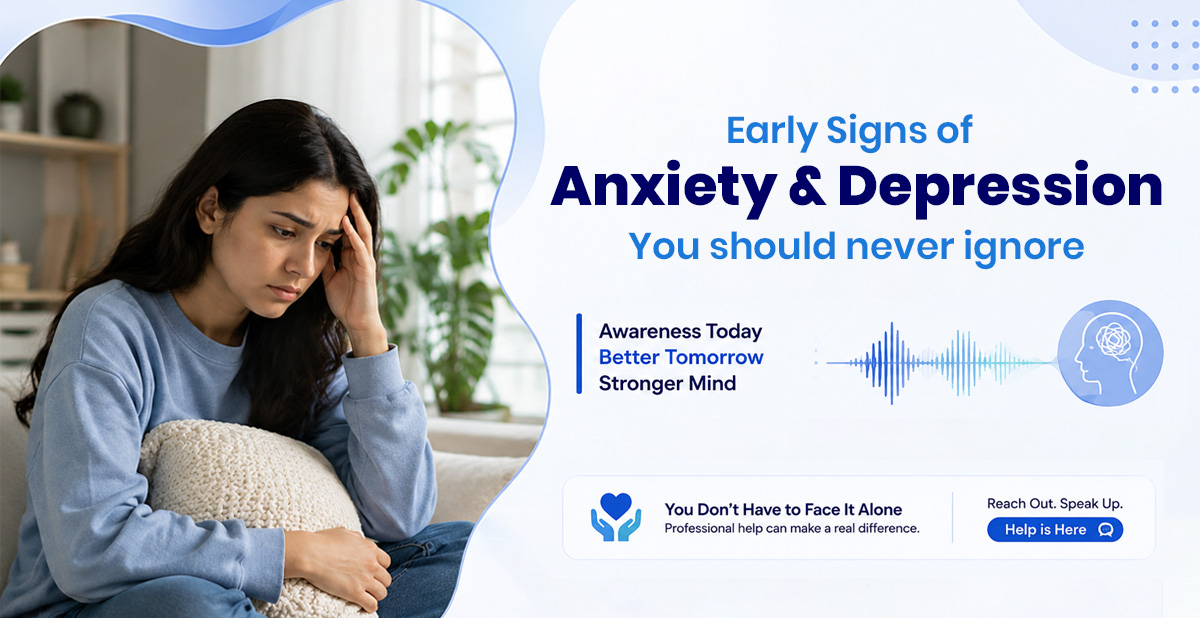
In today’s fast-paced world, stress has become a normal part of life. Deadlines, financial pressure, relationship struggles, academic expectations, and social media comparisons can all affect mental well-being. While occasional stress is natural, persistent emotional struggles may point toward something more serious — anxiety or depression.
Unfortunately, many people ignore the early warning signs, believing they are simply “going through a phase.” But mental health conditions rarely disappear on their own. Recognizing the Signs of Anxiety and Depression early can make a major difference in recovery, treatment, and overall quality of life.
Mental health is just as important as physical health. Ignoring emotional distress can affect work performance, relationships, sleep, physical health, and daily functioning. The earlier someone identifies the problem and seeks support, the easier it becomes to manage and heal.
This blog explores the common Symptoms of Anxiety Disorder, the early warning signs of depression, how these conditions impact everyday life, and When to Seek Mental Health Help.
Understanding Anxiety and Depression
Although anxiety and depression are different conditions, they often occur together. Both affect emotions, thoughts, energy levels, and behavior.
- Anxiety usually involves excessive fear, worry, nervousness, or panic.
- Depression is characterized by persistent sadness, hopelessness, emptiness, and loss of interest in life.
These conditions can affect anyone regardless of age, gender, profession, or lifestyle.
Early Signs of Anxiety and Depression
Recognizing symptoms early is essential for timely intervention. Many people dismiss these signs as temporary stress or fatigue, but persistent symptoms should never be ignored.
Emotional Signs
Constant Worry or Fear
One of the most common Symptoms of Anxiety Disorder is excessive worrying. Individuals may constantly overthink situations, fear worst-case scenarios, or feel nervous even when there is no obvious reason.
Persistent Sadness
Feeling low occasionally is normal, but ongoing sadness lasting for weeks may indicate depression. A person may feel emotionally numb, hopeless, or disconnected from life.
Irritability or Mood Swings
People experiencing anxiety or depression often become easily frustrated or emotionally reactive. Small issues may trigger anger, tears, or emotional breakdowns.
Feeling Overwhelmed
Daily responsibilities may suddenly feel impossible to handle. Even simple tasks can create emotional exhaustion.
Physical Symptoms You Should Never Ignore
Mental health conditions frequently show up as physical symptoms. Many individuals seek treatment for physical discomfort without realizing the root cause is emotional distress.
Fatigue and Low Energy
Feeling constantly tired despite adequate sleep can be an early sign of depression or chronic anxiety.
Sleep Problems
People may experience:
- Difficulty falling asleep
- Frequent waking during the night
- Oversleeping
- Restless sleep
Sleep disturbances are among the major Signs of Anxiety and Depression.
Changes in Appetite
Some individuals lose interest in food, while others emotionally overeat. Sudden weight changes can occur due to anxiety or depression.
Headaches and Body Pain
Chronic stress and anxiety can lead to:
- Headaches
- Muscle tension
- Neck pain
- Digestive issues
- Chest tightness
Rapid Heartbeat or Panic Symptoms
Anxiety may cause:
- Sweating
- Shaking
- Shortness of breath
- Dizziness
- Racing heart
These symptoms are especially common during panic attacks.
Behavioral Changes That Signal Mental Health Struggles
Behavioral patterns often change when someone is dealing with emotional distress.
Avoiding Social Interaction
A person may stop attending gatherings, avoid phone calls, or isolate themselves from friends and family.
Loss of Interest in Activities
Depression can make hobbies, entertainment, or social events feel meaningless.
Reduced Productivity
Difficulty concentrating, lack of motivation, and mental exhaustion can affect school, work, or household responsibilities.
Increased Dependence on Unhealthy Coping Mechanisms
Some individuals turn to:
- Excessive screen time
- Alcohol
- Smoking
- Emotional eating
- Substance use
These behaviors may temporarily numb emotional pain but worsen mental health over time.
Symptoms of Anxiety Disorder
Understanding the specific Symptoms of Anxiety Disorder can help individuals identify when everyday stress becomes a clinical concern.
Common symptoms include:
- Excessive worrying
- Restlessness
- Feeling constantly “on edge”
- Difficulty concentrating
- Muscle tension
- Panic attacks
- Irritability
- Sleep disturbances
- Avoidance behaviors
- Racing thoughts
If these symptoms continue for weeks or interfere with daily life, professional support may be necessary.
How Anxiety and Depression Affect Daily Life
Mental health conditions impact far more than emotions. Left untreated, they can disrupt every aspect of life.
Impact on Relationships
People struggling emotionally may:
- Withdraw from loved ones
- Miscommunicate frequently
- Become emotionally distant
- Experience relationship conflicts
Impact on Work and Studies
Anxiety and depression can reduce:
- Focus
- Decision-making ability
- Creativity
- Productivity
- Confidence
Missed deadlines, poor performance, and burnout often follow.
Impact on Physical Health
Chronic emotional stress can increase the risk of:
- High blood pressure
- Digestive disorders
- Sleep disorders
- Weakened immunity
- Chronic fatigue
Mental and physical health are deeply connected.
Why People Ignore the Signs
Many people delay seeking help because of:
- Social stigma
- Fear of judgment
- Lack of awareness
- Believing symptoms are “not serious enough”
- Assuming they should handle it alone
Unfortunately, untreated mental health conditions often worsen over time. Early intervention can prevent long-term complications.
When to Seek Mental Health Help
Knowing When to Seek Mental Health Help is extremely important. Professional support should be considered if:
- Symptoms last longer than two weeks
- Daily functioning becomes difficult
- Sleep and appetite are severely affected
- Panic attacks become frequent
- Emotional distress affects relationships or work
- There are thoughts of self-harm or hopelessness
- Coping feels impossible
Seeking help is not a sign of weakness — it is a step toward healing and recovery.
How Mental Health Professionals Can Help
Treatment for anxiety and depression varies depending on the individual’s needs. Mental health professionals may recommend:
Therapy and Counseling
Talking to a psychologist or therapist helps individuals:
- Understand triggers
- Build coping skills
- Process emotions
- Improve thought patterns
Lifestyle Modifications
Healthy habits can significantly improve mental well-being:
- Regular exercise
- Balanced nutrition
- Proper sleep
- Meditation and mindfulness
- Reduced screen time
- Social support
Medication
In some cases, psychiatrists may prescribe medications to help regulate symptoms. Medication should always be taken under professional supervision.
Supporting Someone With Anxiety or Depression
If someone close to you is struggling:
- Listen without judgment
- Encourage professional help
- Avoid dismissing their feelings
- Stay patient and supportive
- Check in regularly
Sometimes, simple emotional support can make a huge difference.
Breaking the Stigma Around Mental Health
Conversations around mental health are becoming more open, but stigma still exists. People often hesitate to talk about emotional struggles because they fear being misunderstood.
Normalizing discussions about anxiety and depression encourages individuals to seek support earlier. Mental health awareness saves lives.
Final Thoughts
The early Signs of Anxiety and Depression should never be ignored. Persistent sadness, constant worry, sleep issues, fatigue, social withdrawal, and emotional exhaustion are not simply personality traits or temporary moods — they may be signs that professional support is needed.
Recognizing the Symptoms of Anxiety Disorder early can prevent emotional struggles from becoming overwhelming. Most importantly, understanding When to Seek Mental Health Help can lead to healthier coping strategies, emotional healing, and a better quality of life.
Mental health challenges are common, treatable, and nothing to be ashamed of. Seeking help early is one of the most important acts of self-care a person can take.