
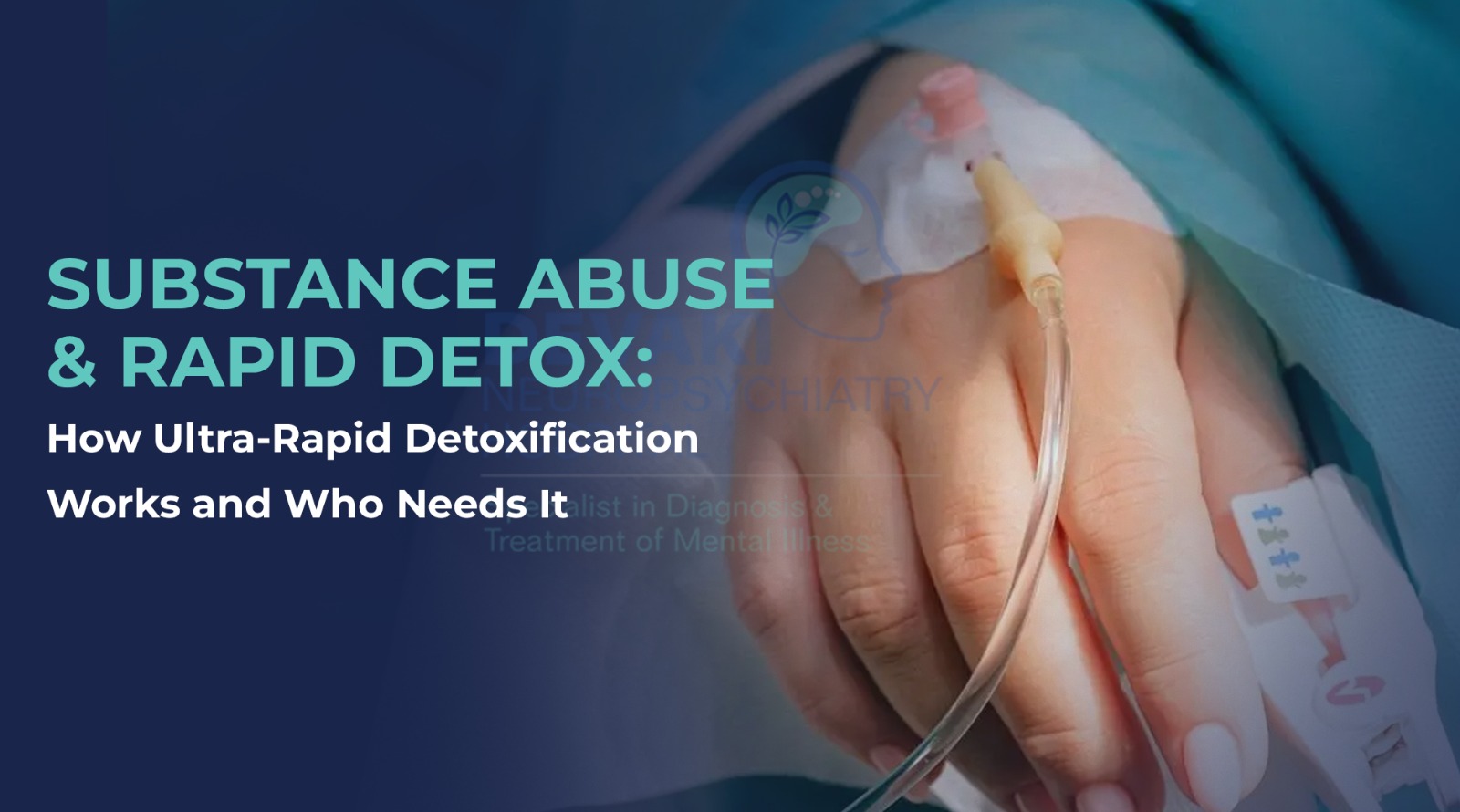
Substance abuse is often misunderstood as a lack of willpower or discipline, but in reality, it is a complex medical and psychological condition. Over time, repeated use of addictive substances changes how the brain functions, making it extremely difficult for a person to stop on their own. One of the biggest barriers to seeking treatment is the fear of withdrawal—the physical and emotional discomfort that occurs when substance use is stopped. This fear leads many individuals and families to look for faster and less painful solutions, which is where ultra-rapid detoxification enters the conversation.
Ultra-rapid detoxification, commonly known as rapid detox, is a medically supervised process designed to help certain individuals withdraw from substances—particularly opioids—within a much shorter time frame. While it may sound like a quick fix, it is important to understand how this method works, who it is meant for, and why it must always be followed by comprehensive addiction treatment.
Understanding Substance Abuse and Dependence
Substance abuse develops when the brain becomes dependent on a chemical to function normally. With repeated use, the brain’s reward system adapts to the presence of the substance, reducing natural dopamine production. This is why stopping suddenly leads to intense withdrawal symptoms. These symptoms are not imaginary or exaggerated; they are the body’s response to the absence of a substance it has come to rely on.
Depending on the substance, withdrawal symptoms may include severe anxiety, body pain, nausea, sweating, tremors, insomnia, and emotional distress. In some cases, withdrawal can become medically dangerous. This is why detoxification should never be attempted without medical supervision, especially in individuals with long-term or heavy substance use.
What Is Detoxification and Why Is It Necessary?
Detoxification is the first medical step in addiction treatment. It focuses on clearing the substance from the body while managing withdrawal symptoms safely. Traditional detox is usually a gradual process that may take several days or weeks, depending on the substance involved and the individual’s physical condition. During this time, medications may be used to reduce discomfort, stabilize vital functions, and prevent complications.
While traditional detox is effective and safe for many people, some individuals find the prolonged withdrawal phase overwhelming. The fear of experiencing days of discomfort often becomes a reason for delaying treatment altogether. This is one of the reasons ultra-rapid detoxification has gained attention in recent years.
What Is Ultra-Rapid Detoxification?
Ultra-rapid detoxification is a specialized medical procedure that accelerates the detox process, most commonly for individuals with opioid dependence. Unlike traditional detox, where withdrawal occurs while the person is awake, ultra-rapid detox is performed under deep sedation or anesthesia. During this period, medications known as opioid antagonists are administered to rapidly remove opioids from the brain’s receptors.
As a result, withdrawal happens while the patient is unconscious, significantly reducing the experience of pain and distress during the acute phase. The entire procedure typically lasts a few hours and must be conducted in a hospital or intensive care setting under strict medical monitoring.
How Ultra-Rapid Detoxification Works
Before ultra-rapid detox is even considered, a thorough medical and psychological evaluation is essential. Not every individual struggling with substance abuse is a suitable candidate for this procedure. Doctors assess the patient’s overall health, heart and lung function, medical history, and mental health status to determine safety.
Once cleared, the detox process takes place in a controlled medical environment. The medications block opioid receptors and force the body into immediate withdrawal that is controlled in a monitored environment and thus helps in washing out the substance quickly.
Supportive care, hydration, and medications help manage any remaining discomfort after the proces.
Although the physical detox is completed quickly, the body may still take time to regain strength and balance in the days that follow.
What Ultra-Rapid Detox Can and Cannot Do
Ultra-rapid detoxification can be effective in reducing the fear and discomfort associated with withdrawal, but it is crucial to understand its limitations. Detox, whether rapid or traditional, does not treat addiction itself. It only addresses physical dependence.
Addiction also has strong psychological and behavioral components. Cravings, emotional triggers, stress, trauma, and mental health issues do not disappear after detox. Without continued treatment, the risk of relapse remains high. Ultra-rapid detox should therefore be seen as a starting point, not a complete solution.
Who May Benefit from Ultra-Rapid Detox?
Ultra-rapid detox may be considered for individuals with severe opioid dependence who have repeatedly failed traditional detox attempts or who have an intense fear of withdrawal pain. It may also be suitable for those who are medically stable and highly motivated to continue long-term treatment after detox.
It is important that individuals considering this option understand the commitment involved. Success depends not on how fast detox is completed, but on what happens afterward.
Who Should Avoid Ultra-Rapid Detox?
Ultra-rapid detoxification is not appropriate for everyone. It is generally not recommended for individuals dependent on alcohol or benzodiazepines, as withdrawal from these substances requires different medical approaches. People with serious heart, lung, liver, or kidney conditions may also face higher risks during sedation.
Additionally, individuals with untreated psychiatric disorders or those unwilling to engage in follow-up therapy may not benefit from this approach. Safety and long-term recovery must always take priority over speed.
The Importance of Post-Detox Treatment
Detox alone, regardless of how advanced or rapid, does not lead to lasting recovery. Once the body is free from substances, the mind still needs healing. Long-term recovery requires structured rehabilitation that addresses emotional health, behavior patterns, and coping skills.
Post-detox treatment often includes individual counseling, behavioral therapy, family support, relapse prevention planning, and, when necessary, medication-assisted treatment. These interventions help individuals understand the reasons behind their substance use and develop healthier ways to manage stress and cravings.
A Realistic Perspective on Rapid Detox
Ultra-rapid detoxification can be a valuable option for selected patients when performed responsibly by experienced medical professionals. However, it should never be marketed or viewed as a miracle cure. Addiction recovery is a journey that involves medical care, emotional healing, and sustained support.
The decision to choose any detox method should be made after thorough consultation with healthcare providers who prioritize safety, honesty, and long-term outcomes.
Final Thoughts
Substance abuse is a medical condition that deserves compassionate, evidence-based care. Ultra-rapid detoxification may help reduce the fear of withdrawal for some individuals, but it is only one step in a much larger recovery process. True healing comes from understanding the root causes of addiction and committing to ongoing treatment and support.
If you or someone you love is struggling with substance abuse, remember that seeking help is not a sign of weakness—it is the first step toward reclaiming health, stability, and dignity.